Psychologist and early interventionist. I work with neurodivergent children and the people around them — and with the organisations trying to do that work at scale.
Early intervention for neurodivergent children, and the unglamorous machinery that decides whether it works.
Direct clinical work is half of it. The other half is everything that determines whether a session on Tuesday survives contact with the rest of a family's week — training the therapists, writing the protocols, building the setup around a child so progress holds between appointments.
Most of what I know came from that second half. A staffing gap nobody planned for. An assessment report a family couldn't read. An activity that only worked because a child loved cricket.
I've spent that time inside a multi-branch child development organisation, across early-years programmes, clinical teams and the operational workflows holding them together.
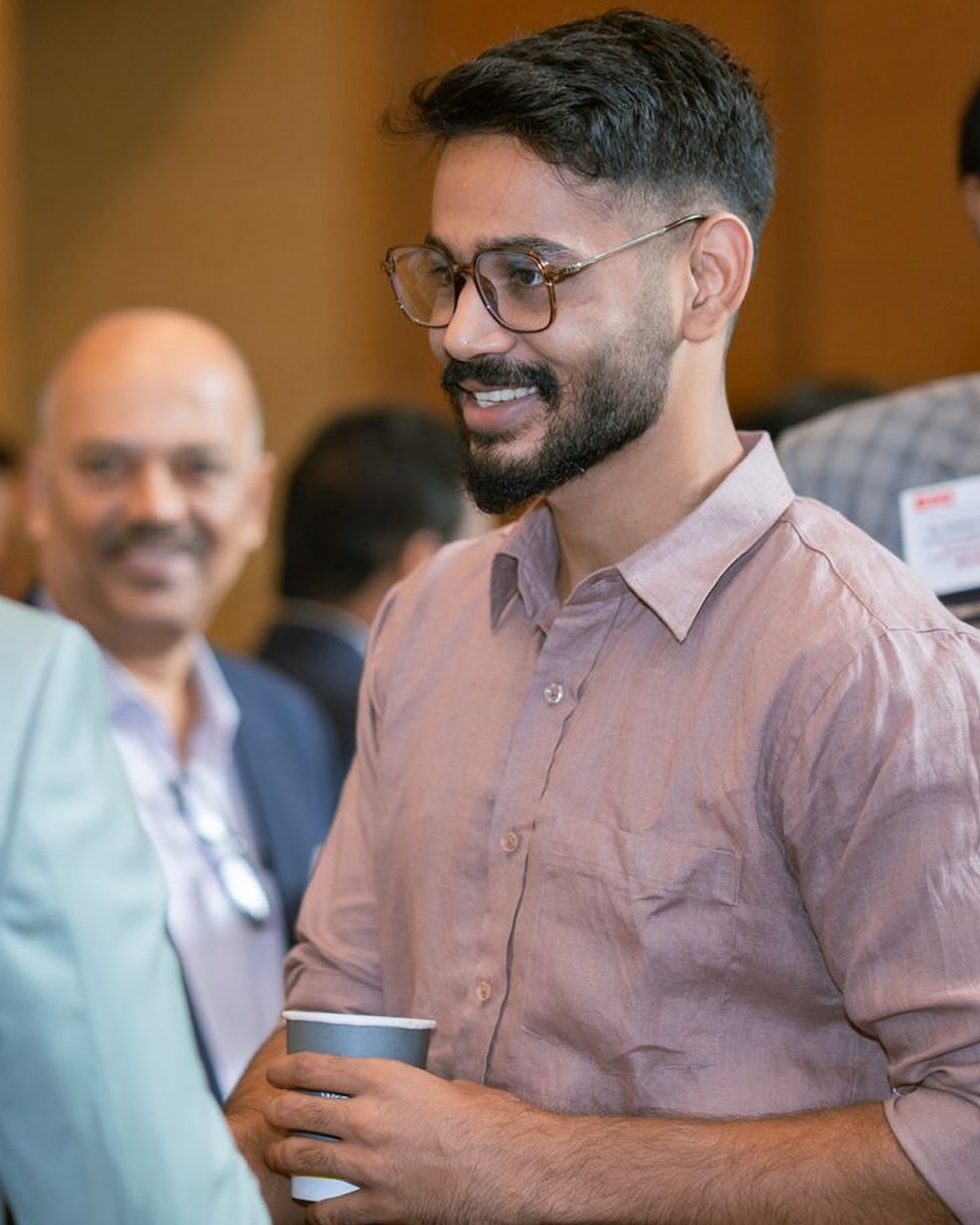
Clinical expertise and operational structure are usually held by different people, and something gets lost in the translation between them. I do both, which means the direction is right from the first draft instead of the fourth.
Documentation, screening, communication and team coordination — written so they survive the people who wrote them leaving.
Structured learning and behaviour frameworks grounded in child development rather than in whatever the last workshop suggested.
Hiring, onboarding and training therapists so a service reaches past one pair of hands without losing accuracy.
Reports, updates and conversations a parent can act on — which is the only measure of a report that matters.
I write — two series, The Form and The Method — about the half of this profession nobody put in the syllabus. I run a free session every Sunday for students and early-career professionals. And I'm building an activity workbook and a professional manual, both of which I'd rather make with this field than at it.
I train physically, seriously, and think it matters more for this work than it gets credit for. Drilling, failing in public, being corrected and going again is a closer model for how children learn skills than most of what I was taught about learning.